Behind the Scenes: What Goes Into a Documentary Medical-Mission Film
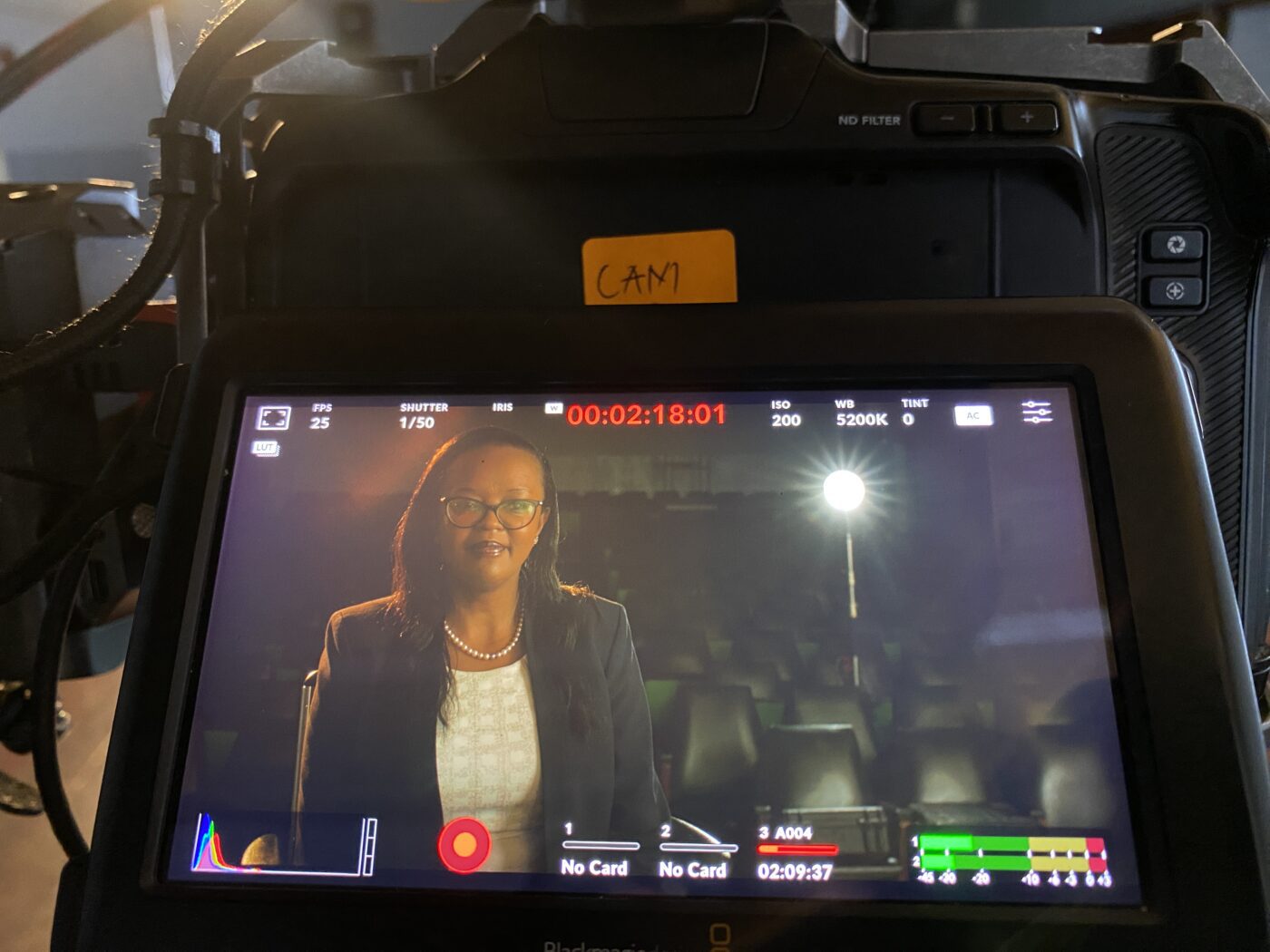
When we film a medical mission, like the missions we documented for Mercy Said No including their 2025 mission in Nigeria, the aim is never simply to record what happened. It is to tell the human story behind the numbers: the patients, the volunteers, and the moment a life changes. Here is a behind-the-scenes look at how a documentary mission film comes together.
It starts long before the camera rolls
Strong documentary work begins with research and relationships. Before a single frame is shot, we learn the organisation’s mission, the communities involved, and the stories worth following. On a medical mission that means understanding the schedule, the sensitivities of filming patients, and the consent and dignity that must guide every shot.
Filming in the field
Field documentaries are unpredictable. We shoot lean and mobile, ready to capture moments as they unfold: a consultation, a procedure, a family waiting for news. We prioritise real sound and natural light, and we film in up to 4K so the footage holds up for broadcast and fundraising alike. The discipline is to stay present without getting in the way.
The story is found in the edit
A documentary is written twice: once in the field, and again in the edit. Hours of footage become a tight, emotional narrative, structured to inform donors, honour the people on screen, and move an audience to act. Music, pacing, and the subjects’ own words carry the film.
Why it matters
For a non-profit, a well-made mission film is more than a keepsake. It is a fundraising asset, a transparency report, and a tribute to volunteers, all at once. That is the power of documentary storytelling, and it is why organisations across Uganda, East Africa, and beyond trust us with their most important stories.
Planning a documentary or field film? Explore our documentary film production or start a project with Traits Visuals.